Player Sentiment Analysis Fuels Changes in Reward Mechanisms for Mobile Progressive Slots and Live Dealer Experiences
Hugo Bennett · Nov 16, 2026

Player Sentiment Analysis Fuels Changes in Reward Mechanisms for Mobile Progressive Slots and Live Dealer Experiences
Player sentiment analysis has emerged as a key driver behind modifications to reward systems in handheld progressive reel titles and interactive dealer sessions, with operators using aggregated feedback from in-app surveys, social media monitoring, and behavioral data streams to refine bonus structures and loyalty incentives. As of November 2026, multiple platforms report implementing these adjustments after processing millions of data points collected across mobile devices, where progressive reel mechanics often feature escalating jackpots that respond to collective play patterns while live dealer formats incorporate real-time interaction metrics.
Core Mechanisms Behind Sentiment Tracking
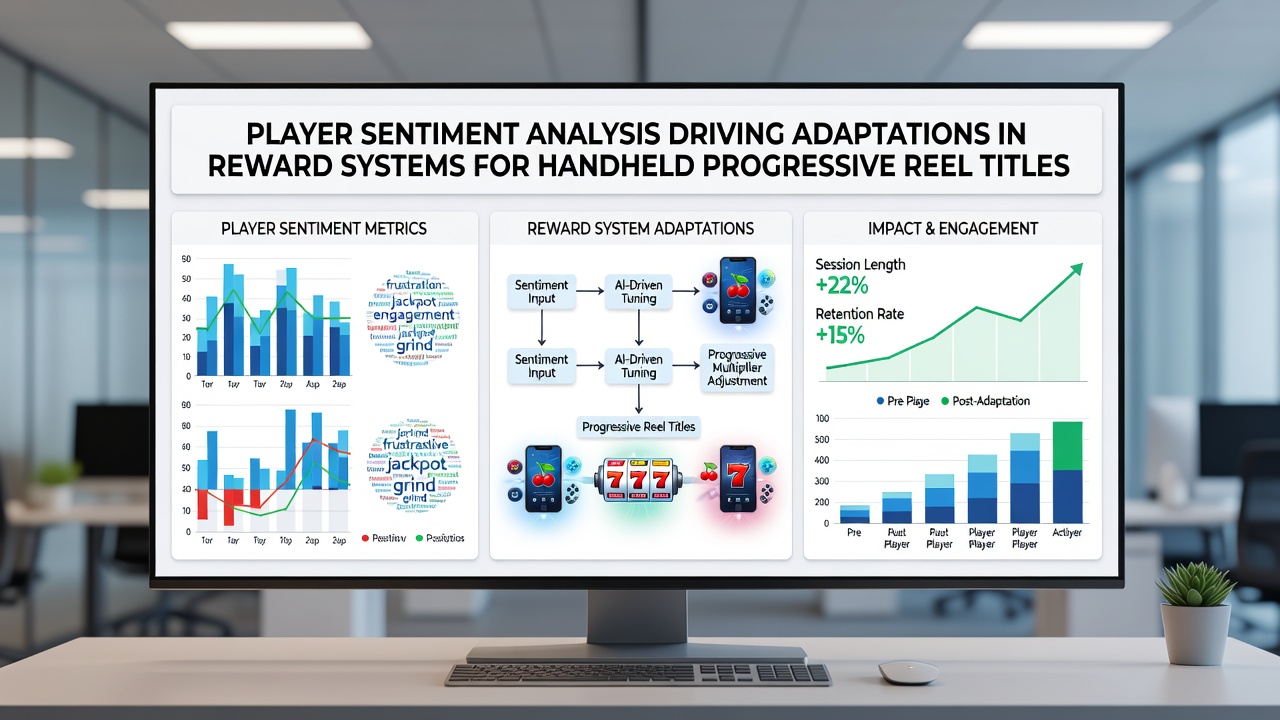
Operators collect sentiment indicators through natural language processing tools applied to player comments and direct ratings, which then feed into algorithms that identify patterns such as frustration with reward frequency or satisfaction with payout timing. These insights prompt targeted adaptations, for instance shifting from fixed bonus rounds to dynamic multipliers in progressive reel games when data reveals preferences for higher engagement during peak hours. In interactive dealer sessions, similar analysis leads to adjustments like personalized chat-based rewards or tiered loyalty points that align with observed emotional responses during table play.
Research indicates that platforms integrating these tools see measurable shifts in retention metrics, particularly among users accessing titles on handheld devices where session lengths average under 30 minutes. Data from regional regulators shows operators in multiple jurisdictions applying these methods to balance volatility in reel-based progressives with steadier reward flows in dealer-led formats.
Adaptations in Handheld Progressive Reel Titles
Handheld progressive reel titles rely on networked jackpot pools that grow with each spin, and sentiment analysis helps operators calibrate entry-level rewards or free-spin triggers based on expressed player preferences for quicker access or larger incremental gains. When feedback clusters around delayed gratification in mobile sessions, systems often introduce interim micro-rewards that maintain momentum without altering the core progressive structure. Studies from academic sources confirm that such changes correlate with increased play volume during evening windows, as algorithms detect rising negative sentiment around missed jackpot opportunities and respond by expanding eligibility windows for bonus entries.
One documented case involved a major provider adjusting reel volatility settings after sentiment scores highlighted dissatisfaction with rare high-payout events, resulting in more frequent smaller progressions that still contributed to the main jackpot pool. These modifications occur through automated pipelines that cross-reference sentiment tags with actual spin data, ensuring adaptations remain grounded in observable trends rather than isolated complaints.
Applications in Interactive Dealer Sessions
Interactive dealer sessions present unique challenges because real-time human elements introduce variables like table pace and dealer interaction style that influence overall sentiment. Analysis tools parse chat logs and post-session ratings to detect when players desire more frequent small wins or enhanced tipping mechanisms, leading operators to layer adaptive rewards such as instant loyalty credits for positive interactions. According to reports from the Alcohol and Gaming Commission of Ontario, several licensed platforms have used these insights to refine dealer session incentives, particularly in blackjack and roulette variants accessed via mobile, where sentiment data shows preferences for bundled rewards that extend session duration without increasing wager sizes.
Platforms also monitor cross-format comparisons, noting when sentiment toward progressive reels dips relative to dealer sessions and responding with hybrid promotions that bridge both experiences. This approach allows for unified reward ecosystems where progress from reel play carries over into dealer environments through shared loyalty tiers.
Broader Industry Patterns and Data Sources
Industry reports from organizations like the Responsible Gambling Council highlight how sentiment-driven adaptations have spread across North American and European markets, with operators citing improved compliance outcomes when rewards align more closely with player expectations. Figures from the Australian Gambling Research Centre reveal that mobile users in progressive reel categories respond positively to sentiment-informed changes in reward pacing, while dealer session participants show stronger retention when feedback loops address pace-related frustrations directly.
These developments coincide with advances in on-device processing that allow faster aggregation of sentiment without transmitting raw personal data, addressing privacy considerations that regulators emphasize in licensing renewals. Observers note that by November 2026 the integration of such tools has become standard among larger providers handling both reel and dealer portfolios.
Conclusion
Sentiment analysis continues to shape reward system evolution in handheld progressive reel titles and interactive dealer sessions through systematic collection and application of player data across mobile environments. As operators refine these processes with input from regulatory bodies and research institutions, adaptations remain focused on measurable patterns that support sustained engagement while meeting oversight requirements in various jurisdictions. The approach underscores a data-led pathway for aligning incentives with documented player responses in both game categories.